Changing Digital Marketing Strategies and the Rise of Micro-Influencers
As we said in our earlier articles, influencers have become an essential component of brands marketing strategies. Popular Influencers with a great number of followers have the ability to reach large audiences on Instagram through the content they share.
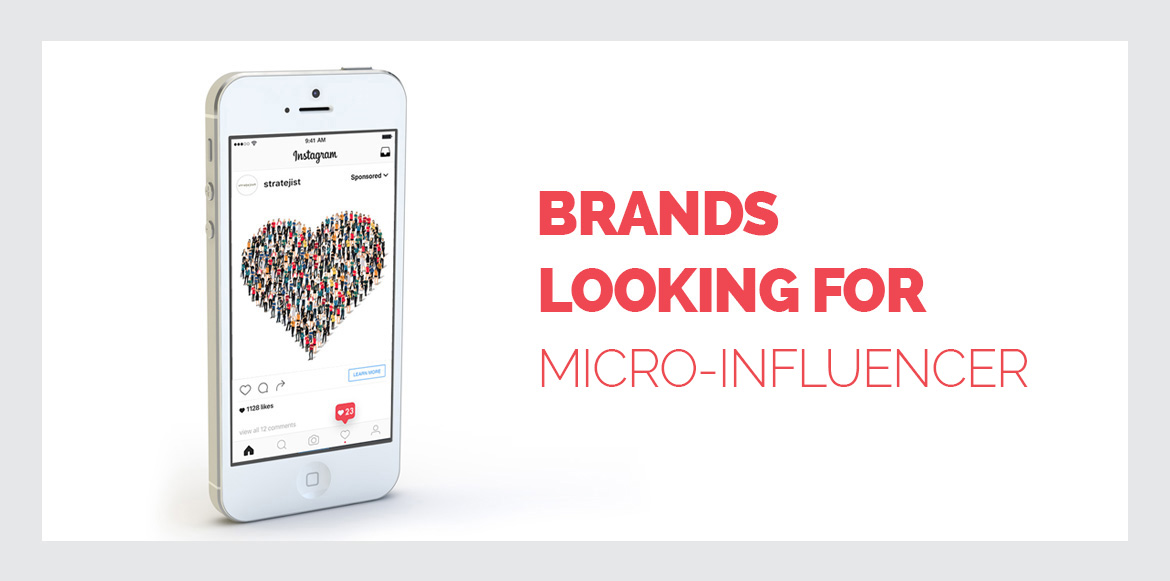
However, the situation has begun to change somewhat.
Until now, brands would go to influencers with large followings to interact with as many people as possible. But, these brands noticed that when, from time to time, they targeted smaller audiences and wanted to position their products more precisely, influencers with large followings were unable to deliver.
This set off the micro-influencer period in digital marketing.
The right person and perspective trumps numbers and popularity
In this new period, brands approach influencers that have fewer followers (even less than 5,000) to market their contents. Content on profiles with low follower counts appear less like advertisements and seem more like a reflection of the person’s point of view and preferences. If brands today shy from content that appears to be advertising, this is not such a bad thing.
The result is excellent! Wonderful content that appears virtually organic!
This marketing model suits brands and affords them the chance to communicate with their preferred target audience. It also helps give campaign narratives greater depth.
As strategists, we can offer an illustration of this from our own projects. In the #YSLObsession project that we prepared for Yves Saint Laurent Black Opium, we attempted a 1+5+50 Segmented Influencer Strategy, which had never been tried in Turkey before. We chose one campaign leader, five influencers positioned as brand ambassadors, and 50 influencers who are part of the brand’s target audience, have between 2,000-30,000 followers, and can best reflect the products narrative. The perception and product positioning the 50-person list created, in particular, was invaluable to us.
This new model offers the chance to reach populations that find the lifestyles of social media celebrities ostentatious and are annoyed by the penchant to use them in advertisement. Social media platforms have been aware of the need to create new perceptions for some time, so this model is increasingly attractive.
For instance, by recently adding “Stories,” Instagram showed that it wanted to eschew elaborately created content shared on social media. Providing real-time content that is authentic, perceived as natural, and reflecting the spirit of social media has become a phenomenon of even greater value for brands.
When creating your influencer project, be yourself, and don’t forget it. J
May the #InfluencerPower be with you…